A balanced plant-based diet doesn’t mean sticking to strict rules or giving up all your favorite foods. It means creating healthy, filling meals that you can easily fit into your daily routine. More and more people are choosing a plant-based diet because it’s flexible, affordable, and easy to adapt. A balanced plant-based diet is suitable for busy lives, family meals, and diverse regional tastes. It can make your plate more colorful, varied, and full of natural flavors. Prepared with care, a plant-based diet doesn’t feel restrictive; on the contrary, it leaves you feeling full. The key isn’t to strive for perfection; the goal is to make better choices more often. A balanced plant-based diet can be simple, delicious, and practical, making it perfect for everyday life.
1. The True Meaning of a Balanced Plant-Based Diet:
A balanced plant-based diet focuses on quality, quantity, and variety, not on extremes. Moderate amounts of fruits, vegetables, whole grains, legumes, nuts, seeds, and vegetable oils are all part of a balanced diet. The goal is to create meals that leave you feeling full and satisfied. The key to a balanced diet is consuming various flavors, textures, and nutrients, rather than relying on just one type of food. For example, a meal with grains, legumes, and vegetables is much more complete. This method can also make meals more engaging and prevent boredom. A balanced diet is essential for maintaining a plant-based diet long-term.
2. Create a Round Plant-Based Plate:
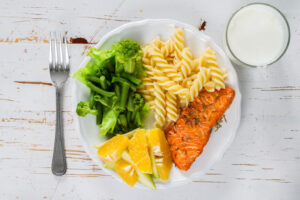
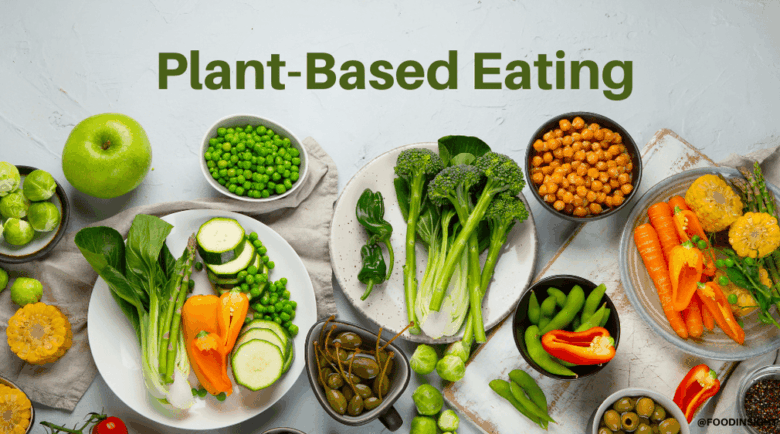
Dividing your plate into sections makes arranging food much easier. You can put fruits and vegetables in one half, whole grains in the other half, and plant proteins in the last quarter. This provides variety and keeps portion size under control. Adding small amounts of healthy fats, such as olive oil or nuts, can enhance flavor and increase satiety. Color is also a useful way to assess the nutritional value of food. In general, a colorful plate indicates a balanced diet. This visual approach makes meal planning simple and clear.
3. How to Choose the Best Plant-Based Protein Sources:
People who eat a primarily plant-based diet often worry about insufficient protein intake, but there are actually many nutritious options. Lentils, chickpeas, beans, tofu, tahini, and peas can be prepared in many different ways. Nuts and seeds are also beneficial and are especially suitable as toppings or snacks. To feel full, it’s crucial to include protein in most parts of your diet. By varying different protein sources throughout the day, you make your meals more varied and delicious. You don’t need to consume large amounts of protein; a regular, moderate intake is sufficient. If you plan, preparing plant-based, protein-rich meals becomes very easy.
4. Why Whole Grains, Fruits, and Vegetables Are Important
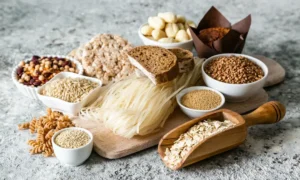
A healthy plant-based diet is based on whole grains, fruits, and vegetables. Whole grains, such as brown rice, oats, and whole wheat, provide energy and texture. Fruit is naturally sweet, while vegetables provide fullness, color, and a crunchy texture. Together, they create delicious and filling meals. By varying the ingredients, you prevent monotony and make your meals more exciting. Seasonal ingredients are generally fresher and taste better. By adding both raw and cooked ingredients to your meals, you also create more variety.
5. Plan Your Daily Meals Easily:
Meal planning doesn’t have to be complicated. Organize your meals around a few simple ingredients that you enjoy. During the week, you can save time by cooking grains or beans in bulk. Having frozen vegetables on hand allows you to prepare meals quickly. Simple dishes like soups, stir-fries, and grain bowls are also easy to vary. If your schedule isn’t too tight, you’ll feel less rushed at the last minute. Stocking your kitchen with a variety of ingredients makes achieving a balanced plant-based diet easier. Details matter.
6. How to Enjoy a Balanced, Affordable, Plant-Based Diet:
Eating plant-based food exclusively can save you a lot of money if you approach it right. Dried beans, lentils, rice, and seasonal vegetables are often inexpensive and filling. Buying in bulk and choosing local ingredients can keep costs down. Cooking at home can also save money. Eating well doesn’t necessarily mean buying specialty ingredients. With a few herbs and spices, you can transform simple ingredients into nutritious and delicious dishes. A balanced diet focuses on basic ingredients instead of blindly following expensive trends. Eating well doesn’t have to be expensive.
7. Making Plant-Based Eating Sustainable for Daily Life:
To maintain it long-term, you need to develop habits you can stick to. Give yourself some leeway for travel, social events, and busy days. You might choose to cook your meals or simply go grocery shopping. This isn’t the end goal; the end goal is continuous improvement. This lifestyle will be enjoyable if you focus on your needs and make changes over time. When a plant-based diet becomes part of your daily routine, it will feel natural. Small, consistent choices are more effective than major changes. Sticking with an idea is the key to turning it into a habit.
Conclusion:
A balanced plant-based diet is a practical and flexible approach that’s easy to integrate into daily life. The key is to create nutritious, varied, and filling meals without overcomplicating things. By focusing on natural products, simple planning, and practical methods, a plant-based diet can be easy and enjoyable. Even if you’re not yet adept at maintaining balance, it’s still beneficial. Small changes every day will add up to significant ones. Whether you’re just starting a plant-based diet or want to improve your eating habits, balance is key. With patience and creativity, a plant-based diet can become a natural and enjoyable part of your life.
FAQs:
1. Is a plant-based diet suitable for beginners?
Yes, it’s effortless for beginners. You can start by increasing your plant-based food intake. Don’t change all your habits at once; it’s best to start gradually and make small adjustments along the way.
2. Do I need special foods to eat plant-based?
No, simple foods like fruits, vegetables, beans, rice, and grains are sufficient. You don’t need to buy expensive or imported products. With simple ingredients, you can make filling meals. Pay attention to which ingredients are readily available.
3. How can I make plant-based eating more interesting?
Experience different herbs, spices, and cooking methods. Vary your ingredient combinations and try new ones. Variety in flavor and texture makes meals more interesting. Variety is important.
4. Can I still eat vegetarian if I’m busy?
Yes, a vegetarian diet can be very convenient if you plan and cook in bulk. Salads and wraps are quick and simple meals that save time. It’s also helpful to have basic ingredients on hand. The key is to be prepared.
5. Is it okay to eat vegetarian food occasionally?
Absolutely. Eating vegetarian a few times a week is enough to make a difference. There are no strict guidelines to follow. The most important thing is to stick with it long-term. Every sensible choice counts.