The key isn’t following strict rules or reducing food intake to control portion size, but eating sensibly and mindfully. In today’s fast-paced world, overeating has become the norm, often without us realizing it. Learning how to balance portions can help you enjoy your meals, reduce food waste, and maintain energy throughout the day. It can also help people develop healthier eating habits, focusing on food quality and knowledge rather than restricting their diet. When you understand how much food your body truly needs, meals become more delicious and satisfying. It’s perfectly fine to eat all food categories, as long as the portions are appropriate. Small changes in food presentation, whether you’re eating at home or dining out, can make a big difference. Let’s look at a few simple and practical ways to learn how to control portion size in your daily meals.
1. Understand What a Balanced Portion Really Means
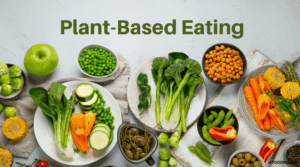
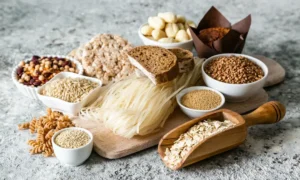
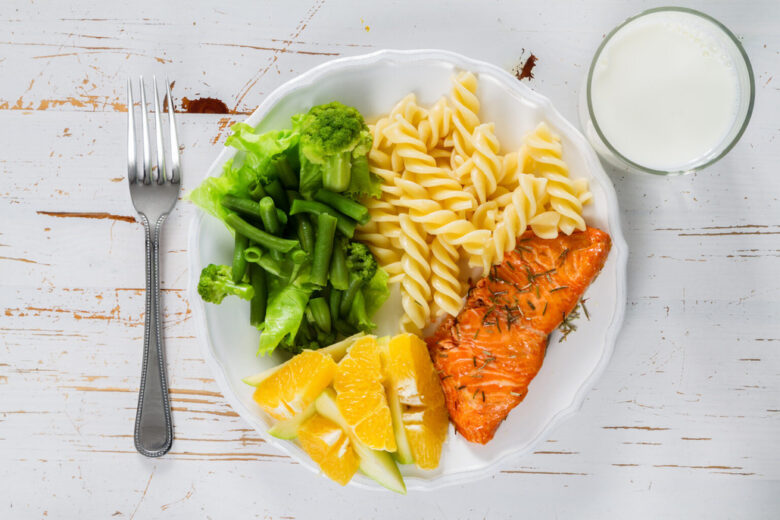
Healthy portions aren’t about small amounts of food but about balance and variety. A balanced plate typically contains plenty of vegetables, whole grains, protein, and healthy fats. Instead of focusing on the amount or quantity, think about whether the food looks balanced. 1. Brightly colored vegetables can fill half your plate, grains a quarter, and proteins a quarter. This method works for all kinds of foods and is easy to implement. It also prevents you from eating too much of one food category. When portions are just right, you feel full and satisfied.
2. Use Smaller Plates and Bowls
This is one of the simplest and most effective ways to control portion size. Nutritional psychology research shows that even when people aren’t hungry, they eat more from larger plates. Smaller plates make the food look more plentiful, making you feel full faster. The same goes for bowls and plates for rice, pasta, or snacks. This technique helps your brain understand that you’re full without needing to eat more. Over time, this small change will have a giant impact. Plus, your plate will look more aesthetically pleasing and neater.
3. Build Your Plate Before You Start Eating
Don’t take food directly from containers, packaging, or plates; instead, take time to think about how you want to arrange it on your plate. Decide how much you’re going to eat before you sit down. This prevents you from mindlessly grabbing a second helping. Portioning your food beforehand makes you more aware of what and how much you’re eating. It also ensures that the portion size of each item on your plate is appropriate. This method helps people eat more mindfully and be more aware of their portion size. Over time, it becomes a habit.
4. Pay Attention to Hunger and Fullness Cues
You can determine whether you’re hungry or full based on your body’s responses. Learning to listen to your body’s signals isn’t easy. Take your time, chew slowly, and pause between bites. This gives your body time to determine whether you’re full. Many people overeat because they eat too quickly. If you eat more slowly, you’ll find you don’t actually need as much food. Controlling your portion size is made easier by listening to your body’s cues. This method helps you maintain a balanced diet in the long term without excessive stress.
5. Balance High-Calorie and Low-Calorie Foods
Different foods take up different amounts of space on your plate. Some foods provide a lot of energy, while others are lighter and make you feel fuller. The trick is to combine them wisely. For example, eat more vegetables combined with grains or proteins. This enriches the flavor of your food without consuming too many calories. You can still enjoy the rich taste without overeating. This balance not only makes food look more appealing but also makes you feel fuller. It also prevents you from overeating.
6. Be Mindful with Snacks and Between-Meal Eating
It’s easy to overeat when snacking, especially if you eat straight from the package. It’s recommended to serve small portions of snacks in a bowl or container. This way, you can clearly see how much you’ve eaten. Choose snacks rich in fiber, protein, or healthy fats for more energy. Choosing sensible snacks will keep you energized throughout the day and reduce the chance of overeating at main meals. Realizing the benefits can help you change your eating habits.
7. Practice Portion Control When Eating Out
Most restaurants serve more than one serving. You don’t have to finish it all. You can order half portions to share with friends, or save the rest for later. Start with small bites and eat slowly, stopping when you’re full. The key to portion control when dining out is confidence and self-discipline, not restricting your eating habits. You can enjoy dining out and stay healthy at the same time.
8. Eat Regularly
Infrequent mealtimes can easily lead to overeating. People who often skip meals tend to eat more at the next meal. Eating regularly helps control portion size. When your body knows it’s getting food at fixed times, it can better predict when it will be hungry. This makes it easier to control your food intake. Regular eating habits create a routine and reduce impulsive eating. Over time, your food intake will naturally adjust to your needs.
Conclusion
Controlling your food intake is a skill you can gradually improve, not something you can master overnight. The key is to stay mindful, find balance, and make choices without feeling rushed. When you focus on a balanced diet, pay attention to your body’s signals, and develop simple habits, portion control becomes effortless. Healthy eating doesn’t require strict rules or the guesswork of unpredictable portions. Small changes, like using smaller plates, slowing down your pace, and planning your meals, can have a significant cumulative effect. The key isn’t eating less, but just the right amount. With persistence and patience, portion control can become a part of your life. It’s an effective way to maintain healthy eating while staying mindful.
FAQs:
1. Is portion control the same as dieting?
Absolutely not. The key to portion control is balance and awareness, not limiting food types. It helps you enjoy a variety of delicious dishes. Restriction isn’t the goal; the goal is health and longevity. However, you can still enjoy your favorite foods.
2. How can I control my portions without counting?
The size of plates and hands can be an effective visual aid. The smaller the plates and bowls, the smaller the portion size will naturally appear. Over time, your taste buds and eyes will adjust to the correct portion size.
3. Is portion control suitable for family meals?
No. You can’t let everyone serve themselves. Instead, adopt a family-oriented approach. Encourage variety in food and ensure that each portion is fair and reasonable. This approach promotes freedom of choice and encourages sharing.
4. What if I’m still hungry after my meal?
Eat more slowly at first and focus on fiber-rich foods and vegetables. If you’re hungry, it might be because you ate too quickly. A balanced diet usually makes you feel better.
5. Does portion control mean I have to avoid certain foods?
Absolutely not. The key to portion control is balance, not eliminating certain foods. You can eat any type of food, as long as you keep the amount reasonable. Balance is key.