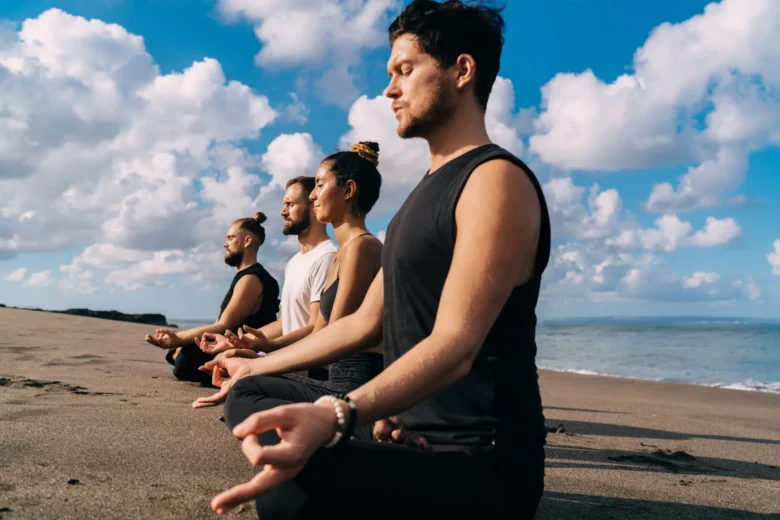
Meditation has existed for thousands of years and is used to calm the mind and bring balance to life. While it may seem complex for beginners, meditation essentially involves discovering simple techniques to help you focus, reduce stress, and live in the present moment. The foundation of meditation is mindfulness—being fully present in each moment. By meditating daily, even for short periods, people can achieve clarity of mind, eliminate distractions, and improve their emotional well-being. Meditation requires no special equipment or environment, so anyone can practice it regularly.
Understanding the Importance of Breathing Exercises
For beginners, focusing on the breath is a simple and effective meditation practice. Breathing exercises involve observing the normal cycle of inhalation and exhalation. Practitioners can focus on the present moment by observing their breath without trying to control it. This method can calm the mind, reduce distractions, and lower anxiety. Even a few minutes of mindful breathing exercises each day can improve concentration and stress management. Because breathing exercises are easy to learn and effectively clear the mind, they are often used as a starting point for deeper meditation.
Body Scan Meditation
Another mindfulness technique suitable for beginners is body scan meditation, which focuses on different parts of the body. This method requires you to systematically observe the tension, warmth, and relaxation of each area. Body scan meditation helps people relax, release stress, and increase their body awareness. It is especially beneficial for people who are anxious or irritable, as the focus is on the present moment instead of on a jumble of thoughts. Regular body scan meditation can improve sleep, reduce muscle tension, and keep you relaxed throughout the day.
Increasing Comfort with Guided Meditation
Guided meditation is ideal for beginners who are unsure about meditating on their own. Guided lessons teach attention, breathing, and mindfulness through step-by-step instructions. Meditation can be enhanced with visualizations, body scans, or affirmations. Guided meditation helps beginners build their meditation practice by providing structure and encouragement. Over time, guided meditation can lead you to meditating independently, increasing your confidence and awareness. Guided meditation also allows people to try different meditation techniques and choose their favorite.
Mindful Walking: Experiencing the Present Moment
Meditation can be practiced while walking. Mindful walking involves focusing on each step, the ground beneath your feet, and the rhythm of your gait. This practice combines physical movement with inner peace to promote mindfulness. For beginners who find seated meditation difficult, mindful walking is particularly helpful. It can be done in a park, garden, or at home. Daily mindful walking can reduce stress, improve concentration, and strengthen the mind-body connection.
Discover Loving Kindness Meditation
Loving-kindness meditation, also known as loving-kindness practice, promotes compassion for yourself and others. Beginners can silently recite, “May I be happy, may I be at peace, may I be healthy,” and gradually extend these blessings to friends, family, and strangers. It increases empathy, reduces negative thoughts, and improves emotional resilience. Loving-kindness meditation can improve interpersonal relationships, reduce anger, and promote inner peace. Regular practice cultivates compassion and helps people cope with the challenges of daily life with patience.
Develop a Regular Meditation Habit
Meditation and mindful living require consistency. Beginners should meditate for five to ten minutes daily. Regular practice helps develop and establish meditation as a habit. A quiet environment, soft lighting, or soothing music can create an undisturbed atmosphere. Tracking your progress and reflecting on the benefits of meditation can encourage continued practice. Consistent practice can enhance mindfulness, reduce stress, and promote mental and physical balance and focus.
Overcoming Common Challenges in Meditation
Beginners often experience challenges such as impatience, wandering thoughts, and difficulty sitting still. These challenges are part of the learning process and should not hinder your progress. Setting a reasonable meditation duration, gently focusing your attention on your breathing, or starting with guided meditation can help you overcome these challenges. Meditation should be characterized by patience, self-care, and curiosity, not judgment. Understanding that meditation is a gift can help beginners gradually view setbacks as learning opportunities. Persistently overcoming adversity can improve mental and emotional health.
Integrating Meditation into Daily Life
Besides formal meditation practices, mindfulness can be integrated into daily life. Maintaining awareness while eating, cleaning, or working can improve concentration and reduce stress. Before answering emails or fully engaging in a conversation, take a few deep breaths to calm yourself and focus your attention. These brief moments of awareness lead to better emotional regulation, clearer decision-making, and a more balanced state of mind. Meditation can be a daily practice where you focus on the present moment and your intention.
Conclusion
Beginners can improve mindfulness and well-being through meditation. From breathing exercises and body scans to guided meditation, mindful walking, and loving-kindness meditation, these practices offer various ways to practice mindfulness daily. By making it a habit, overcoming common challenges, and integrating mindfulness into daily life, you can reduce stress, improve concentration, and strengthen emotional resilience. The focus of meditation is on gradually developing awareness, compassion, and presence in each moment, rather than striving for perfection. With patience and perseverance, beginners can develop a mindful lifestyle that benefits their physical and mental well-being.
FAQs
1. How long should beginners meditate per day?
Beginners can start with 5-10 minutes per day and gradually increase the time as they become used to it. Consistency is more important than duration.
2. Do I need a quiet environment to meditate?
While a quiet environment is important, meditation can be done anywhere. Minimize distractions and focus on the present moment.
3. Can meditation reduce anxiety?
Over time, meditation can indeed reduce stress, relax the body and mind, and improve emotional health.
4. Do beginners need guided meditation?
Guided meditation isn’t required, but it can help beginners become more independent by providing structure, support, and guidance.
5. How can I practice mindfulness daily?
Mindfulness refers to maintaining nonjudgmental awareness of feelings, thoughts, and actions in daily life, such as eating, walking, and working.