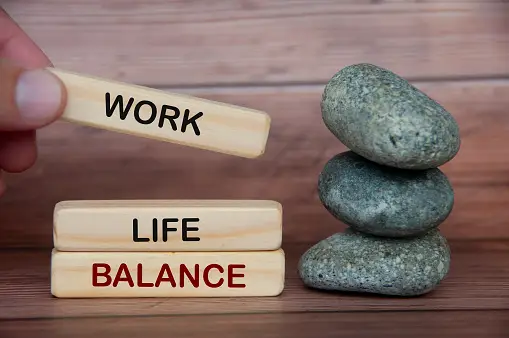
In today’s fast-paced society, people often strive for a good work-life balance, as work and personal life regularly compete for their attention. Mindfulness can help you manage this, allowing you to be more mindful, focused, and alert in your daily life. Mindfulness helps people recognize when work stress is too high, what their needs are, and how they can make choices that restore balance. Mindfulness techniques help you live in the present moment, reduce stress, and increase your happiness in both your personal and professional life. By integrating mindfulness into your daily life, you can live a more peaceful life and improve your overall health.
How an Imbalance Affects Your Daily Life
A work-life imbalance can lead to chronic stress, burnout, and decreased productivity. It can harm your health, relationships, and emotional stability. Many people find it difficult to understand how overwork or a lack of personal time can lead to stress and unhappiness. Mindfulness can help you recognize these trends by paying attention to feelings of fatigue, irritability, or difficulty concentrating. The first step in developing effective strategies to improve work performance and personal satisfaction is recognizing the signs of imbalance. People can make their lives more sustainable and fulfilling by effectively addressing these issues.
Careful Prioritization Helps Improve Focus
Conscious task management means identifying which tasks are most important and devoting the most time and energy to them. People who feel overwhelmed can alleviate this feeling by setting clear goals and focusing on what truly matters. Conscious planning, setting achievable goals, and focusing on one task at a time can help you achieve more and reduce stress. By focusing on each task individually and tackling only one at a time, you can increase your productivity and achieve a better work-life balance. Conscious prioritization creates space for personal hobbies, self-care, and family time, leading to a better work-life balance.
Setting Boundaries, Maintaining Balance
To achieve balance, it is crucial to clearly define the boundaries between work and personal life. Mindfulness exercises help people become aware of when work starts to take over their personal time and choose to keep the two separate. This might mean setting clear work hours, turning off notifications, and limiting overtime. Setting and adhering to boundaries helps you focus on your work and enjoy your personal life more. Mindfulness training makes people more aware of when to take breaks or decline or delegate household tasks. This helps reduce stress and improve overall health. Setting clear boundaries helps you maintain habits and prevent burnout.
Conscious Breaks Throughout the Day
Taking timely breaks during the workday is vital to maintaining energy, focus, and emotional balance. Conscious rest means pausing to take deep breaths, stretch, or simply focus on the present moment without distractions. These short moments of mindfulness can clear your mind, reduce stress, and increase productivity. By scheduling breaks appropriately, people can prevent stress buildup and complete tasks more efficiently. Mindful breaks also give you the opportunity to reflect on priorities, refocus on goals, and see things from a fresh perspective. Integrating these breaks into your daily routine will contribute to a healthier and more focused work-life balance.
Conscious Communication in Work and Life
Clear communication is essential for a good work-life balance, and conscious communication improves the quality of relationships. People can avoid misunderstandings and arguments by listening attentively, expressing ideas and responding thoughtfully. Conscious communication strengthens bonds with colleagues, friends, and family, creating a more harmonious work and home environment. Being aware of your feelings and goals during conversations helps you manage stress and develop empathy. Conscious communication facilitates collaboration, reduces stress, and strengthens bonds. All of this leads to a more balanced and fulfilling life.
Integrating Mindfulness into Personal Activities
Finding a balance between work and fulfilling personal activities is crucial for health, and mindfulness can make these activities more enjoyable and beneficial. Concentrating fully on exercising, working out, spending time with your family, or simply relaxing can lead to greater focus and satisfaction. Mindfulness contributes to mental and physical well-being, making it easier to complete tasks without feeling exhausted. Scheduling time for yourself can cultivate gratitude, joy, and fulfillment, which helps maintain balance. Regularly practicing mindfulness in your daily life can prevent personal activities from interfering with your work responsibilities.
Evaluating Progress and Adjusting Mindfulness
To maintain a good work-life balance, it’s important to constantly reflect and make adjustments. Mindfulness can help you recognize patterns, develop strategies, and find ways to improve. By reflecting on the interplay between work and personal life, you can make conscious changes, such as adjusting your schedule, delegating tasks, or incorporating more self-care into your daily life. Regular self-reflection helps you gain insight into your stress levels, emotional health, and overall well-being. By viewing balance as a dynamic practice, people can develop resilience and adaptability and develop effective, long-term daily habits, contributing to success in both work and personal life.
Conclusion
In today’s busy lives, mindfulness techniques are an effective tool for finding and maintaining a good work-life balance. People can make their lives more harmonious and fulfilling by increasing their awareness, setting boundaries, taking conscious breaks, communicating more clearly, focusing on personal activities, and regularly evaluating their progress. Mindfulness helps develop a sense of purpose, reduce stress, and strengthen resilience, allowing people to approach personal and professional matters with calmness and clarity. Consistently applying mindfulness methods to achieve work-life balance can transform your daily life and lead to greater happiness, success, and health.
FAQs
1. How does mindfulness help achieve work-life balance?
Mindfulness makes people more aware of their stress, emotions, and priorities, enabling them to manage stress more consciously and maintain a work-life balance.
2. How long does it take to see results from daily mindfulness practices?
Five to ten minutes a day is sufficient; gradually increasing the practice time helps improve mental and physical balance and health.
3. Does mindfulness rest really help relieve work stress?
Yes, short mindfulness breaks can indeed help you organize your thoughts, relax your body and mind, and improve your concentration, enabling you to better manage stress.
4. How does mindfulness dialogue help with work-life balance?
Mindfulness dialogue can increase understanding, reduce tension, strengthen interpersonal relationships, and create a more harmonious work and home environment.
5. What should I do if my work always consumes all my spare time?
Mindfulness exercises can help you recognize problems, set boundaries, and protect your personal time by scheduling breaks, delegating tasks, and saying no when necessary.