Many people think that a balanced diet in today’s fast-paced world requires complex recipes and long cooking times. In reality, a balanced diet can be easier, more enjoyable, and more sustainable with a few simple cooking techniques. Cooking techniques influence the taste, texture, and overall enjoyment of food, making them just as important as the food itself. Simple cooking methods enhance the flavor of food, making it easier to savor, share, and repeat. A balanced diet requires only careful consideration, not perfection. You can use a few simple cooking methods to create delicious and nutritious dishes. This approach won’t add to your daily life; on the contrary, it will support your work. Let’s look at a few simple cooking techniques that can help you easily and confidently create a balanced diet.
1. Understanding the Composition of a Balanced Diet:
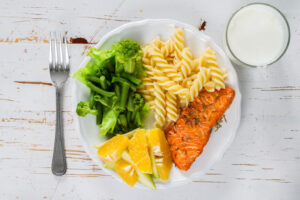
A balanced diet consists of a variety of foods that help you feel full. It typically includes protein, carbohydrates, healthy fats, and fiber-rich fruits and vegetables. The goal is a careful combination, not a precise measurement. Every ingredient contributes to the richness, flavor, and texture of a dish.
A balanced diet leads to greater fullness and greater enjoyment of eating. You’ll feel less hungry after a meal and be less susceptible to sudden snack cravings. Simple cooking techniques preserve the natural properties of ingredients, making this balance easier to achieve. Instead of masking the true flavors of food with thick sauces or deep-frying, gentle cooking methods allow them to shine.
Flexibility is another key aspect of balance. You can flexibly combine ingredients based on their availability, affordability, and aesthetic appeal. This makes everyday cooking easier and more convenient.
2. Why Simple Cooking Methods Work Best for Everyday Meals:
Simple cooking techniques improve food consistency, save time, and reduce waste. When cooking becomes simple and enjoyable, it becomes a habit instead of a chore. Baking, grilling, steaming, boiling, and stir-frying all require very simple equipment and preparation.
These techniques help preserve the original flavor, texture, and color of food. They also simplify the process of combining multiple ingredients into a single dish. Roasted vegetables with rice and roasted chicken, for example, are easy to make yet nutritious.
Control is another advantage. You can control your ingredients with simple techniques, without relying on processed additives. You determine the amount of oil, salt, or spices yourself. This control allows you to make more conscious choices without limitations.
3. Steaming and Boiling: Gentle yet Effective Cooking Methods
Steaming and boiling are two of the simplest cooking methods. They are particularly suitable for grains, vegetables, and many types of protein. These techniques use heat and water instead of large amounts of oil, making the food light yet filling.
Vegetables retain their natural color and texture when steamed or boiled. Broccoli, carrots, spinach, and green beans become tender and stay fresh. Rice, pasta, lentils, and eggs are all excellent for cooking. Boiling softens ingredients and makes them simple to combine with other ingredients.
These cooking techniques are perfect for beginners and busy families. They’re simple to clean and require minimal care. Steamed or boiled dishes often taste surprisingly delicious when combined with herbs, lemon, or light sauces.
4. Baking and Grilling: Effortlessly Delicious
Baking and grilling give dishes a rich flavor without complicated steps. These techniques, which use dry heat, emphasize the natural sweetness and texture of the ingredients. They work well with fruits, vegetables, fish, and meat.
Baking allows you to prepare multiple dishes at once, saving time. A complete meal can be made with just a plate of mixed vegetables and seasoned chicken or tofu. Simple ingredients like bell peppers, mushrooms, and zucchini become even more delicious after grilling, developing a subtle smoky flavor.
Both cooking methods require only a small amount of oil and simple preparation. You can season your food beforehand and then cook it on the grill or in the oven. This flexible cooking style makes it easy to create nutritious meals.
5. Stir-frying: A Simple and Easy Option
Stir-frying is a quick and convenient cooking technique, perfect for busy days. It involves stir-frying ingredients over medium heat with a small amount of oil. This method is especially suitable for tofu, thinly sliced meat, and vegetables.
Stir-frying is important because it guarantees that the ingredients are evenly cooked. Vegetables, proteins, and grains like rice or noodles can be combined to create a nutritious and balanced dish. The result is a delicious, appealing, and flavorful dish that’s ready in just a few minutes.
These techniques also encourage creativity. Without changing the basic structure, you can vary the flavors by using different herbs, spices, or sauces. This keeps the dish simple and makes it more appealing at the same time.
6. One-Pot and Tray Meals for Easy Balance:
One-pot and one-pan meals are ideal for nutritious and time-saving meals. Because all the ingredients are cooked together, they save time and require fewer utensils. These meals are very practical for families and busy people.
A plate of roast chicken, potatoes, and carrots, or a serving of rice with vegetables and beans, can meet all the major dietary needs. The natural blend of flavors from the different ingredients creates a delicious experience.
This method also helps control portion size. When all the ingredients are cooked together, it’s easier to see the nutritional value of the dish. You can adjust the quantities as needed without extra steps.
7. Develop Lasting, Simple Cooking Habits:
Consistency is the real advantage of basic cooking skills. When cooking becomes easy and feasible, you’ll be more likely to cook regularly. These daily habits will gradually increase your confidence and comfort in the kitchen. Preparing a few simple meals a week can reduce stress. Having basic ingredients on hand makes cooking easier and more enjoyable. As you use simple techniques repeatedly, they become second nature.
A balanced diet doesn’t have to be perfect. It starts with simple, consistent choices. Once you master these basic skills, cooking will no longer be a challenge but an integral part of your life.
FAQs:
1. Are simple cooking techniques suitable for beginners?
Simple cooking techniques are perfect for beginners. They require fewer tools and steps, making the learning process easier and more enjoyable. Over time, your confidence will naturally grow.
2. Can simple cooking produce delicious results?
Indeed, simple doesn’t mean boring. Spices, herbs, and natural ingredients can all enhance the flavor of food. The true flavor of food only truly comes out when it’s cooked slowly, making it even more delicious.
3. How can I prepare healthy meals while sticking to a strict schedule?
Cooking techniques like baking, stir-frying, or one-pot meals can save time. Preparing ingredients ahead of time is also very helpful. Even small meals can be nutritious and balanced if prepared properly. The key isn’t how much time you spend, but careful planning.
4. Do these cooking techniques require special equipment?
No special equipment is required. An oven and simple pots and pans are sufficient. Generally, basic kitchen utensils are sufficient. This makes cooking both easy and affordable.
5. Can I eat the same simple dishes often?
It’s okay to eat the same food repeatedly. Many people enjoy familiar dishes. As long as the dishes are varied, it’s no problem to repeat them. It’s also easy to change your tastes.
Conclusion:
The key to balanced, straightforward meals lies in simple cooking techniques. They free you from the constraints of complicated recipes, allowing you to focus on creating authentic, healthy food. Cooking becomes easy, becoming a regular part of your daily routine instead of a chore. One-pan cooking, baking, grilling, and steaming make a balanced meal possible. These seemingly small choices will ultimately build habits and confidence in the kitchen. Balanced meals require care, not perfection. By keeping your cooking techniques simple, you create space to enjoy cooking, unleash your creativity, and feel comfortable and at ease. Simplicity is the key to maintaining healthy habits in the long term.