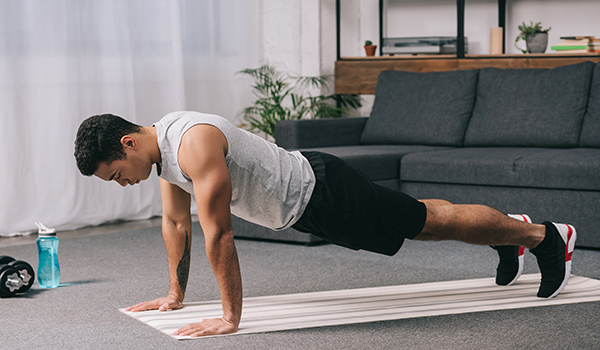
It’s widely believed that a healthy and active lifestyle is crucial for overall health, but many people find it difficult to exercise regularly in their busy lives. However, you don’t need to travel to a specific location, travel long distances, or use complicated fitness equipment to maintain your vitality by exercising at home. Well-planned home workouts can contribute to improved energy, strength, flexibility, and mental health. These effective home workout methods are easy to understand and can often be integrated into daily life. This article explores the benefits of home workouts and some key points for long-term consistency.
Understanding What Home Workouts Involve
Any planned or unplanned physical activity that you do at home or near your home falls under the category of “home workout.” This can include physical activity, stretching, walking, light strength training, flexibility exercises, and fun activities. Home workouts are often more flexible than gym workouts because they can be tailored to your time, space, and energy level. The most important thing isn’t to strive for perfection or follow strict rules, but to maintain a regular physical activity routine. Therefore, people with different plans and lifestyles can exercise at home.
How Home Workouts Improve Mental and Physical Health
Home workouts have several interrelated effects on the body. Regular exercise improves circulation, transporting oxygen and nutrients to tissues more quickly. Muscles become stronger and more robust, and joints maintain better mobility. Regular exercise benefits the nervous system, helping maintain alertness, coordinate movement, and manage emotions. Exercise also helps you sleep better, which is crucial for energy and concentration during the day. All these changes work together to improve long-term physical and mental health.
Developing a Simple and Balanced Home Workout Plan
Balance and ease of use are essential for effective home workouts. Most people benefit from combining different types of exercises, such as light aerobics, strength training, flexibility exercises, and relaxation exercises. This process doesn’t have to be long or difficult. Many people plan their workouts throughout the week in short sessions. The intensity of the workouts can be adjusted to suit individual energy levels and daily routines. A balanced workout plan prevents fatigue and ensures steady progress.
Common Exercises You Can Do at Home
A home workout usually consists of various exercises. Dancing, marching in place, stair climbing, and jogging can all improve cardiovascular health. Simple core exercises, squats, lunges, and other bodyweight exercises can help you target major muscle groups. Stretching and range-of-motion exercises are beneficial for joint health and improve flexibility. Household chores like cleaning, gardening, and grocery shopping are also effective forms of exercise. This method helps people maintain their energy levels by distributing tasks throughout the day instead of tackling them all at once.
Why Exercising at Home Is Good for an Active Life
Regular home exercise can benefit you in many ways. Besides building strength, exercise helps improve your balance, endurance, and joint stability. Regular exercise helps maintain your balance, circulation, and energy levels. Many people also experience a better mood and less mental fatigue. Home workouts are simple and quick, making them easier to maintain long-term, which is one of the best ways to achieve lasting health benefits. Over time, these changes will make it easier to manage and enjoy your daily routine.
Adapting Home Workouts to Different Needs and Schedules
A major advantage of home workouts is their flexibility. Some people choose short workouts of ten to twenty minutes due to time constraints, while others opt for longer workouts when time permits. People with different fitness levels can tailor their workout schedules to their individual needs. Exercise can be spread out over different times of the day. For example, you could do some stretching in the morning, take a short walk during rest periods, and do some light exercise in the evening. This allows people to stay energized, even in busy or uncertain lives.
Understanding Limitations
Exercising at home has many advantages but also some drawbacks. Some people find it difficult to maintain it without external motivation. A lack of space or equipment can also limit exercise options. Motivation can fluctuate over time, and progress can feel slow without clear feedback. Recognizing these issues can help you set realistic goals. You can address these issues by adjusting your habits and activities and focusing on gradual progress. This will help you maintain your fitness in the long run.
Tracking Progress
You only need a few simple methods to track your progress. Many people pay attention to how they feel, changes in their energy levels, and how quickly they complete daily tasks. Changes in mood, sleep, posture, and endurance are often positive signs of progress. By regularly tracking your progress, you maintain your motivation and develop beneficial habits. Over time, exercising at home will no longer be a one-time event but a regular part of your life.
Building a Long-Term Fitness Habit
A home fitness plan that you can maintain long-term should be easy to integrate into your daily life. It respects everyone’s limits, allows time for rest and recovery, and allows for adjustments when challenges arise. It’s easier to maintain long-term success when fitness is associated with enjoyment rather than stress. This balanced approach helps people maintain their physical and mental well-being, allowing them to confidently and patiently enjoy an active life.
Conclusion
Finding practical and flexible ways to exercise at home is crucial for people with busy lives. Without complicated schedules or special locations, people can improve their overall health, mental clarity, and physical fitness by consistently following a balanced exercise program and setting realistic goals. While home fitness has some challenges and limitations, understanding how it works and how to adapt it can help people develop long-term habits that benefit their health and energy.
FAQs
1. How many times a week should I exercise at home?
Many people feel better when they can do some form of exercise for most of the week, and the activity style suits their schedule and energy level.
2. Are short workouts at home still beneficial?
Yes. Consistent short workouts can have a significant impact on your physical and mental health.
3. Can exercising at home replace a visit to the gym?
Depending on personal goals and preferences, many people can meet most of their daily exercise needs by exercising at home.
4. What if my motivation wanes over time?
Changes in motivation are normal. Changing habits, trying new things, and focusing on small improvements often help restore consistency in exercise.
5. What if you feel like progress is slow?
Indeed. Physical change is a slow process; consistency is more important than quick results.