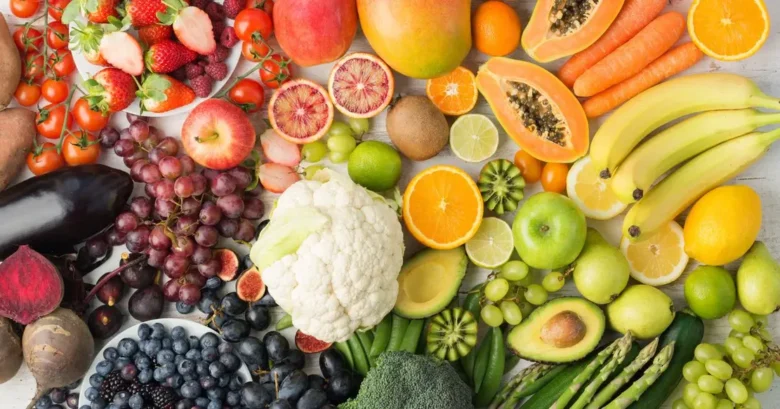
One of the easiest ways to add variety, flavor, and freshness to your daily diet is to eat seasonally. A seasonal, balanced diet encourages you to make the most of what nature has to offer year-round, instead of always eating the same produce. This approach feels intuitive, practical, and surprisingly satisfying. Without any extra effort, you can try new flavors, discover new ingredients, and keep your meals varied. Choosing seasonal ingredients generally results in better taste, texture, and value for money. It’s like letting each season influence your meals. If you’re looking for an easy way to improve your food choices, a seasonal, balanced diet is an excellent starting point.
Why Seasonal Eating Makes Sense Today:
Eating seasonally helps you develop a more natural relationship with food. Produce grown in season is generally fresher and tastier. You can clearly taste the difference between a juicy summer tomato and a pale winter tomato. Seasonal produce is generally more abundant, meaning it’s cheaper and more readily available. This makes preparing healthy meals easier and more enjoyable. It also promotes a varied diet, so you don’t always eat the same thing. As the seasons change, you’ll increasingly look forward to different culinary experiences, making everyday meals more enjoyable.
Spring Freshness: Vibrant, Refreshing, and Green
Spring is a time for a fresh start on your plate. After a hearty winter dinner, lighter dishes feel extra satisfying. Key ingredients include crisp vegetables, fresh herbs, leafy greens, and peas. These are ideal for stir-fries, salads, and wraps. They add a crunchy texture and vibrant color, making meals lively and energizing. Fresh herbs instantly enhance simple recipes, resulting in a refreshing and delicious flavor. Spring meals don’t have to be complicated. A simple combination of a few fresh ingredients is often more satisfying than a complex dish.
Summer Abundance: Colorful and Hydrating
Summer is a season of color. Markets and shops are overflowing with peppers, tomatoes, cucumbers, berries, and melons. These refreshing foods are perfect for warmer weather. Try light sandwiches, roasted vegetables, fruit bowls, and cold soups. To make your meals not only delicious but also visually appealing, summer dinners emphasize the combination of colors and textures. This is the ideal time for simple dishes that highlight the natural flavors of the ingredients. On a warm summer day, a simple vegetable salad or a bowl of fresh fruit can bring immense joy.
Autumn Harvest: Warm and Healthy
As temperatures drop, the food on the table becomes warmer and more comforting. Squash, winter melon, apples, sweet potatoes, and root vegetables are all hallmarks of autumn. These ingredients are perfect for stewing, baking, and roasting. They have a light texture while adding layers and warmth to the meal. Try rich soups, spiced roasted apples, or bowls of roasted vegetables. Autumn dishes evoke a feeling of comfort, like coming home after a busy day. All year round, nutritious, balanced dishes pair perfectly with rich flavors.
Winter Warmth: Filling and Healthy Eating
Warmth and satisfaction are the main goals of winter meals. Seasonal ingredients like citrus fruits, beans, cabbage, and carrots are often found on the table. Stews, curries, and breakfast cereals are popular for their filling and warming properties. Adding a touch of citrus to a rich meal can make it more vibrant and less monotonous. The key to a successful winter meal is balance; combine abundant ingredients with fresh ones to make meals more interesting. Even in the colder months, seasonal ingredients can add color and variety to your dishes.
How to Make Your Own Seasonal Dish:
Creating a seasonal dish doesn’t require complicated recipes or professional skills. The key is to focus on fresh, seasonal ingredients and build on them. A hearty meal can be created by adding staples like grains, legumes, or proteins to a base of seasonal fruits and vegetables. Don’t think of it as a set of rigid rules, but rather as a flexible approach to combining ingredients. The essence of this dish is to focus on seasonal ingredients while keeping the rest of the ingredients simple and balanced.
How to Buy Seasonal Ingredients Wisely:
When shopping, pay attention to seasonal ingredients, as they are usually readily available. While regular supermarkets also sell seasonal produce, local markets are the best place to find fresh ingredients. You are welcome to ask the vendors which ingredients are the freshest. Planning your meals based on this information makes shopping easier and more enjoyable. What would otherwise be a tedious experience becomes a pleasurable one.
Simple Cooking Techniques to Keep Ingredients Fresh:
Seasonal dishes don’t require complicated cooking methods or thick sauces. Grilling, roasting, steaming, and lightly sautéing are usually sufficient. These techniques preserve the natural flavor and texture of the ingredients. Occasionally, all you need is a few drops of lemon juice, a drizzle of oil, and a pinch of salt. Let the flavors of the ingredients speak for themselves.
Make a Habit of Eating Seasonal Ingredients Every Day:
The best thing about a seasonal diet is its simplicity. You don’t have to change everything at once. Try replacing one or two seasonal ingredients each week. Over time, it becomes a natural habit. Make a list of your favorite seasonal products and incorporate them regularly into your meals. Before you know it, the changing seasons will naturally reflect in your kitchen. This is a smart and practical way to bring variety and balance into your daily life.
Conclusion:
Seasonal eating is a simple and effective strategy for improving your daily food choices. By following the natural rhythms of the seasons, your meals will become more varied, fresher, and more delicious. Each season brings unique colors, flavors, and textures, keeping your dishes fresh all year round. This strategy only requires careful observation and well-considered choices; there are no strict rules or complicated preparations required. It works for any budget and fits perfectly into a busy lifestyle. When you eat seasonally, you’ll feel more relaxed, enjoy more, and be more satisfied while eating. It’s a small change that can significantly improve your daily eating experience.
FAQs:
1. What is a seasonal, balanced diet?
Choosing foods that are naturally available at different times of the year is called a seasonal, balanced diet. It emphasizes simplicity, freshness, and variety. This approach makes eating enjoyable without overthinking it. It advocates following nature, not fighting it.
2. Can families eat seasonal produce year-round?
Yes, families of any size can benefit. Finding and preparing seasonal produce is a breeze. You can customize dishes your family enjoys with seasonal ingredients. This is an effective way to add variety to your family’s meals.
3. Do seasonal produce require special recipes?
No, you can use seasonal ingredients in your usual recipes. The best cooking techniques are often simple. This keeps the food fresh and preserves the familiar flavors. It’s easy and flexible.
4. How do you start a seasonal diet on a budget?
First, buy the most readily available and affordable ingredients in the produce aisle. Because seasonal ingredients are readily available, they’re usually less expensive. You can cut down on waste by planning meals around these ingredients. A few small adjustments can lead to significant savings.
5. Can you maintain a seasonal diet year-round?
Absolutely. Each season brings new and delicious flavors. You can keep your diet varied by eating different foods throughout the year. Over time, a natural rhythm will develop. Once it becomes a habit, it’s effortless to stick to a seasonal diet.