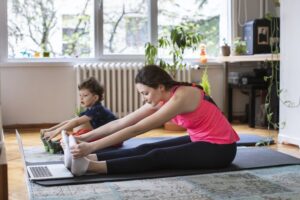
The body’s ability to bend, straighten, twist, and support itself influences daily activities. Flexibility and range of motion are two important factors that influence these capabilities. These two terms are often used interchangeably, but they have slightly different meanings when it comes to movement. Range of motion refers to the ability of a joint to move easily and comfortably within its full range of motion. Flexibility refers to the extent to which muscles and soft tissues can stretch. Improving range of motion and flexibility can help you perform daily activities more easily, reduce pain, and maintain long-term physical independence. This article explores how flexibility and range of motion work, how to improve them, their benefits, and their limitations.
Understanding the Difference Between Flexibility and Range of Motion
Flexibility depends primarily on the length and elasticity of muscles. It indicates how far apart a part of the body can be stretched. For example, you should be able to flex your hamstrings to touch your toes. Range of motion, on the other hand, refers to the smoothness of joint movement, which is achieved through the coordinated action of nerves, muscles, and tendons. Some people have excellent muscle flexibility but stiff joints, which can lead to problems with balance and movement. Improving the flexibility and range of motion of muscles and joints ensures smooth body movements, meaning that joints and tissues are less stressed during daily activities and exercise.
How Flexibility and Mobility Work
Muscles and joints are used frequently, and the tissues change over time. This makes muscles and tendons more flexible and stronger, keeping joints stable and flexible. As the nervous system learns to better coordinate movement, actions such as bending, stretching, or twisting become easier and more effortless. Furthermore, circulation improves, transporting oxygen and nutrients to all parts of the body and promoting healing. Frequent activity signals to the body that it needs to maintain or improve its range of motion, making the body more flexible and agile over time.
Activities of Daily Living That Rely on Flexibility and Mobility
Daily life requires a significant degree of flexibility and mobility. These motor skills are essential for tasks such as grabbing something from a shelf, bending down to tie your shoelaces, carrying a bag, turning your body to look behind you while driving, and climbing stairs. Without sufficient mobility or flexibility, these tasks can feel stiff, painful, or even uncomfortable. Improving these skills helps people maintain their independence, reduces the risk of minor injuries, and makes daily activities more natural and effortless.
Common Ways to Improve Flexibility and Mobility
There are many ways to improve flexibility and mobility. Stretching exercises, such as leg or shoulder extensions, can lengthen stiff muscles. Some controlled range of motion exercises, such as back twists, hip circles, or ankle rotations, can help joints move more smoothly. Yoga, Pilates, tai chi, and swimming are all low-impact exercises that can improve flexibility and mobility. Short, active periods throughout the day, such as walking or some light stretching, are also beneficial. Over time, consistency becomes more important than intensity; slow and steady progress helps prevent injuries.
Benefits of Improved Flexibility and Agility
Besides increasing your range of motion, improving your flexibility and agility offers many other benefits. It helps you stand straighter, relax tense muscles, and improve your balance and agility. These changes can reduce the risk of slips, falls, and minor sprains, especially in older adults. With greater range of motion, you can enjoy leisure activities and sports more comfortably. Many people also find that sitting for long periods reduces pain and muscle tension and increases their self-confidence.
Balancing Flexibility and Mobility With Strength
It’s best to combine flexibility and agility training with strength training. Strong muscles stabilize joints, allowing people to move correctly. Even if flexibility or agility improves, insufficient strength doesn’t necessarily mean you’ll be safer or more efficient during sports. A complete training program should include exercises that improve flexibility and agility while simultaneously strengthening the core muscles, hips, and shoulders. This balance reduces the risk of injury and helps you move more smoothly and freely during daily activities and recreational pursuits.
Realistic Limitations and Expectations
Everyone’s flexibility and mobility vary due to age, genetics, and lifestyle. Progress can be slow, and some body parts may respond more slowly than others. Because overextension or forced movements can lead to muscle strains or injuries, progress should be gradual. It’s normal to feel stiff occasionally, especially after prolonged inactivity or sitting. Understanding these limitations helps you set realistic goals and encourages a patient, long-term approach to developing your athletic potential.
Maintaining Good Habits and Continuous Progress
To maintain flexibility and mobility, consistency is essential. Making small adjustments to your posture daily and doing some stretching exercises can promote your progress. Adding activities to your daily routine, such as standing while working, walking instead of sitting, and climbing stairs, can all contribute to better joint function and flexibility. Over time, these habits become second nature, making daily activities easier and less painful and your body more independent.
Conclusion
Maintaining flexibility and mobility is crucial for daily activities because it makes you feel more comfortable, efficient, and independent. Stretching, being active, and incorporating movement into daily life can help people maintain or improve their range of motion, posture, and coordination. While success factors vary from person to person and it takes time, the long-term benefits include easier performance of daily tasks, less pain, and a higher quality of life. As part of a healthy, balanced lifestyle, flexibility and mobility can help people of all ages stay active and healthy.
FAQs
1. How can I most quickly improve my flexibility and agility?
If you practice consistently, you may see changes within a few weeks, but depending on your starting level and how consistently you practice, it may take several months to see significant improvements.
2. Can people of any age improve their flexibility and fitness?
Yes. Almost everyone, regardless of age, can make progress with regular, supervised practice.
3. Is it normal to experience muscle soreness when you first start exercising or doing flexibility exercises?
Mild muscle soreness is normal because tissues need time to adapt to new positions, but this usually disappears with regular practice.
4. How often should I practice to improve my flexibility and agility?
Doing some gentle movements and stretching daily is beneficial, or you can do more regular exercises a few times a week.
5. What happens if I don’t prioritize flexibility and agility?
Over time, stiffness can worsen, daily activities can become painful, and the risk of minor injuries can increase.